


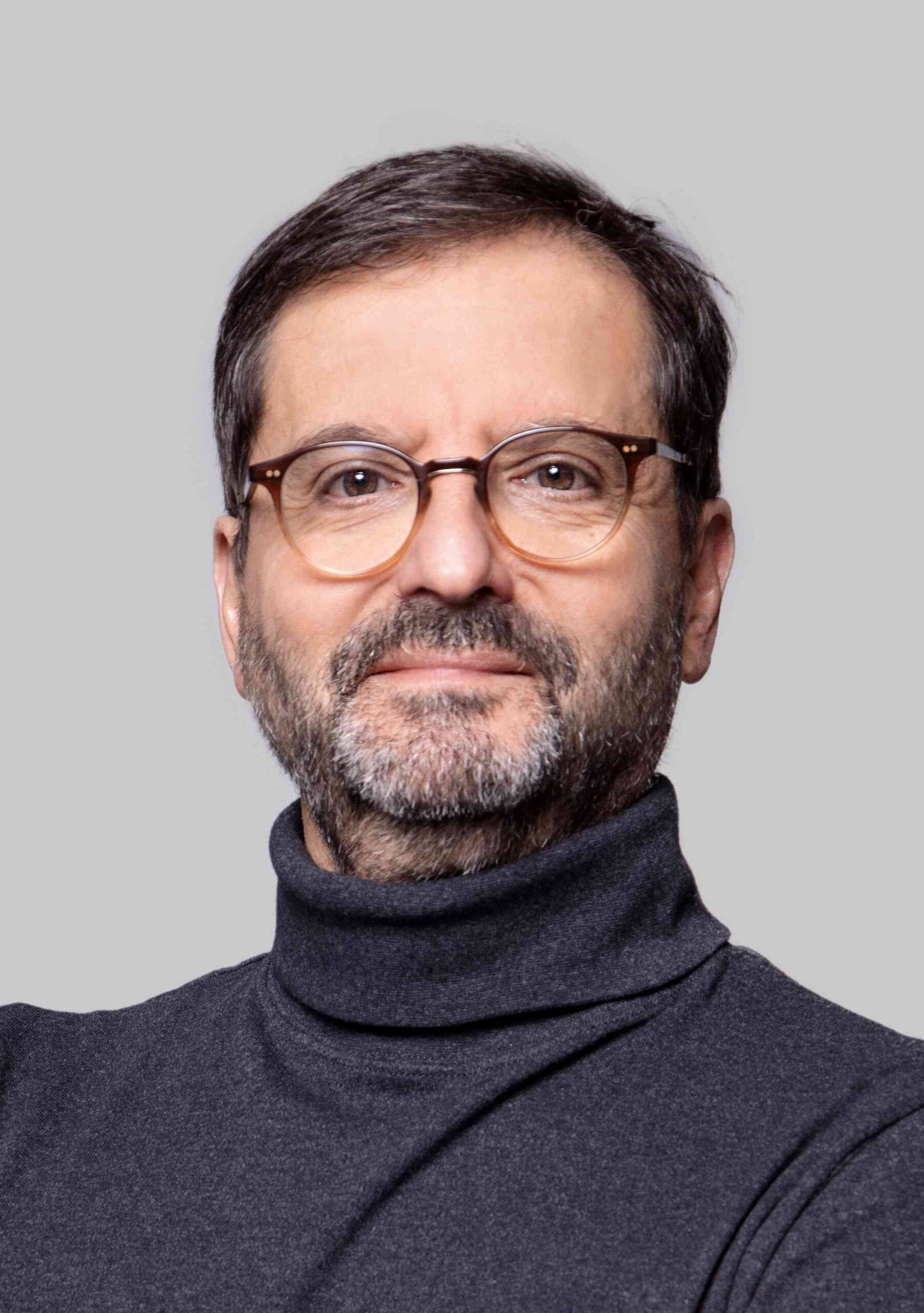
Miguel Forte, MD, PhD
02.10.2026
Interview with Dr. Miguel Forte, CEO of Kiji Therapeutics
https://atmpcatalonia.com/wp-content/uploads/2026/10/Miguel-Forte-ATMP-scaled.jpg

Cell and gene therapies have become one of the most innovative fields in medicine, with treatments that are already delivering significant clinical benefits. Despite this potential, the sector still faces major challenges related to funding, regulation, clinical evidence generation, manufacturing, and patient access.

Miguel Forte, MD, PhD, is Co-Founder and CEO of Kiji Therapeutics and Immediate Past President of the International Society for Cell & Gene Therapy (ISCT). With a career spanning academia, regulatory affairs, and industry, he is one of the leading international voices in the development and commercialization of cell and gene therapies.

We spoke with him about the evolution of autologous, allogeneic, and in vivo treatments; the barriers Europe must overcome to translate scientific excellence into globally competitive products; emerging manufacturing models; and China’s rise as a strategic player in the field.

Miguel Forte

The field of cell and gene therapies is evolving rapidly. Looking ahead to the next decade, how do you see the balance between autologous, allogeneic, and in vivo approaches evolving? Do you expect them to coexist, or will some models eventually become dominant?

Cell and gene therapy is now an established field at the forefront of innovative medicine. It will continue to expand, both in terms of innovation and the number of patients it can reach, delivering significant value to patients and stakeholders alike.


There are currently three main types of products: autologous, allogeneic, and in vivo therapies.


The first products were primarily autologous and delivered the initial major benefits—including, in some cases, cures—that paved the way for subsequent developments. These products will remain a core part of the cell and gene therapy landscape.


Allogeneic approaches have the potential to become mainstream through optimized cell sourcing—for example, using induced pluripotent stem cells—and cell engineering designed to achieve optimal, targeted efficacy.


In vivo therapies will undoubtedly also become a major component of the field. However, we still need to properly address issues such as delivery, safety, and the appropriate assessment of the risk-benefit profile across different indications.


All three approaches will coexist, although their relative importance remains to be seen. If any model were to become dominant, it would most likely be in vivo or allogeneic, while autologous therapies will continue to deliver substantial value to patients in specific contexts.

Europe has world-class science and clinical expertise in advanced therapies, but translating these strengths into globally competitive products remains challenging. What are the main barriers Europe needs to overcome?

Europe has the innovation capacity and academic breadth required to produce excellent science. The main challenge lies in the translational stages and in the industrialization needed to bring products to market.


Company creation and early-stage funding, precisely when risk is at its highest, remain below the levels needed. Public institutions have a clear role to play in addressing this gap.


Another critical issue is the speed and flexibility of clinical data generation. Clinical trials take too long to be approved and conducted. This drives companies to look to other regions where data can be generated more quickly and cost-effectively. Regulatory flexibility and timely decision-making are essential.


Achieving this flexibility also requires greater alignment of practices and stronger collaboration among Member States. Europe must act as a truly integrated entity, not as a collection of separate agendas. Establishing complementary centers of excellence that collaborate and avoid duplication could accelerate innovation and translation across Europe, creating value for both companies and patients.

Manufacturing is often considered one of the defining challenges for advanced therapies. How should manufacturing models evolve to make these therapies more scalable, affordable, and accessible to patients?

Manufacturing cell and gene therapies involves a certain degree of complexity and requires investment. Depending on the approach, manufacturing may be more or less personalized or may lend itself to large-scale industrialization. I believe we will see it evolve in two directions.


The first will bring manufacturing closer to patients and local delivery. This decentralized manufacturing model will improve access to treatments and help reduce costs. It will apply primarily to autologous approaches.


For in vivo and allogeneic therapies, we will see increasing scale and a model closer to that of the traditional pharmaceutical industry: off-the-shelf products manufactured centrally and distributed through supply chains—and, when necessary, cold chains—not unlike those used today.


Across all approaches, automation, closed systems, and improved information technologies, particularly artificial intelligence, will be needed to increase efficiency and reduce costs.

China is emerging as an increasingly important player in cell and gene therapies. How do you assess its current position, and what should Europe learn from—or do differently than—the Chinese model?

China is becoming one of the global leaders in cell and gene therapy, if not the leading player.


The work being carried out in China is now high quality, cost-effective, and executed rapidly. China has the talent and resources needed to lead in biotechnology, as well as a clear commitment from industry players, public authorities, and the government’s broader strategic agenda.


European authorities need to adopt the same strategic and supportive approach. We are already seeing some progress through initiatives such as the forthcoming European Biotech Act and actions by the European Commission and the European Parliament. But intentions alone are not enough: concrete measures are needed to turn them into reality. Europe must remain competitive, build on its strengths, and collaborate with the United States and China, as well as with other emerging players.

Europe has the innovation capacity and academic breadth required to produce excellent science. The main challenge lies in the translational stages and in the industrialization needed to bring products to market.
Dr. Miguel Forte